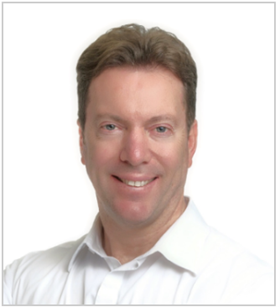
 Gary Shayne grew up in a small house in Harare, Zimbabwe and attended a school located about 2 km from his home. He would walk to and from school every day passing a small shopping centre which housed a bakery where later on, at the age of 11 years old, Shayne would get his first part-time job. He recalls receiving Z$2 in pay one month and thinking that he had just won the lottery.
40 years later, Gary Shayne has built three billion-rand companies but has also lost a significant amount having learned the hard way how lenders can behave when you rely too much on borrowings. That is one of many lessons Shayne has learned from business and a mistake he will not repeat. Having had the time to reflect on his experiences and his learnings one of the fundamental questions Gary Shayne raised is the how unfair it has been for those that have not been able to participate in wealth creation across the globe over the last few decades. Although much is being said about this he believes not enough is being done.
When asked about whether raising taxes against the rich is the right way to balance the score card, Gary Shayne responded that raising taxes will only change who’s distributing that money from the entrepreneurs who made the money, to the government. Governments unfortunately have proven to be less effective and efficient than the business sector in creating wealth and developing economies primarily driven by technological innovation. Gary Shayne believes that private businesses are driven by a mission and generally attract the best minds to the job at hand making it a far better bet than government to generate further business and wealth.
In one way wealth is effectively being distributed to all by businesses via their more efficient technology and production methods making goods and services available to all consumers either faster or cheaper. Examples are banking, education, entertainment, telecommunications, transport and electricity.
The question that Gary Shayne asks is, apart from all of mankind benefitting from access to new and cheaper technology, how do they participate in wealth creation that allows them to satisfy their wants and not just their needs. This wealth creation can only be generated through sharing in the upside of the growth of these companies. Pension funds have been inefficient in this regard as they are highly regulated and forced to invest a substantial amount into the money market which often does not create real growth in wealth.
Shayne says that pension funds are penalized when they invest in the shares of companies when the market goes down and often sell at the wrong time, either because they are forced to, or they panic. In order to create sustainable wealth, individuals need to invest in companies by saving and putting aside a certain sum every month consistently into shares in both good and bad times. This will ensure real wealth creation over time.
A second area that Gary Shayne believes the majority of the population are missing out in wealth creation opportunities is investing into private companies before they list on a stock exchange. Historically this has been the domain of an exclusive club of large institutions and private equity companies. Shayne says this is now starting to change with a number of companies and platforms opening up their capital raising to individual investors who can participate in the high growth of a private company prior to its listing.
As many aspects of finance from payment systems to trading platforms are being disrupted by new processes and technologies, so is the field of investing which is becoming accessible to the general public.
How does this work you may ask. Gary Shayne says that it can take ten to fifteen years to learn all aspects of investing into private companies from identifying the correct types of businesses, negotiating the transaction, doing the due diligence on the business which typically involves a commercial due diligence, a financial due diligence and a tax and legal due diligence. Finally, you have to understand the legal contracts and the key clauses and incentives to ensure a smooth transition from the founders to yourself. Shayne says that after all that you also need to have a good idea of what your investment returns are going to look like over the next five to ten years.
Instead of trying to learn all of this Gary Shayne explains that there are platforms that allow you to buy shares in private companies, track the company’s performance and that also assist you with selling the shares if there is no near-term exit plan such as a listing onto a stock exchange.
Gary Shayne believes that the combination of technological advancement making goods and services cheaper and faster, together with accessibility to the general public of platforms which invest in private companies, will see a greater participation in wealth creation for a much greater number of people over the next decade.